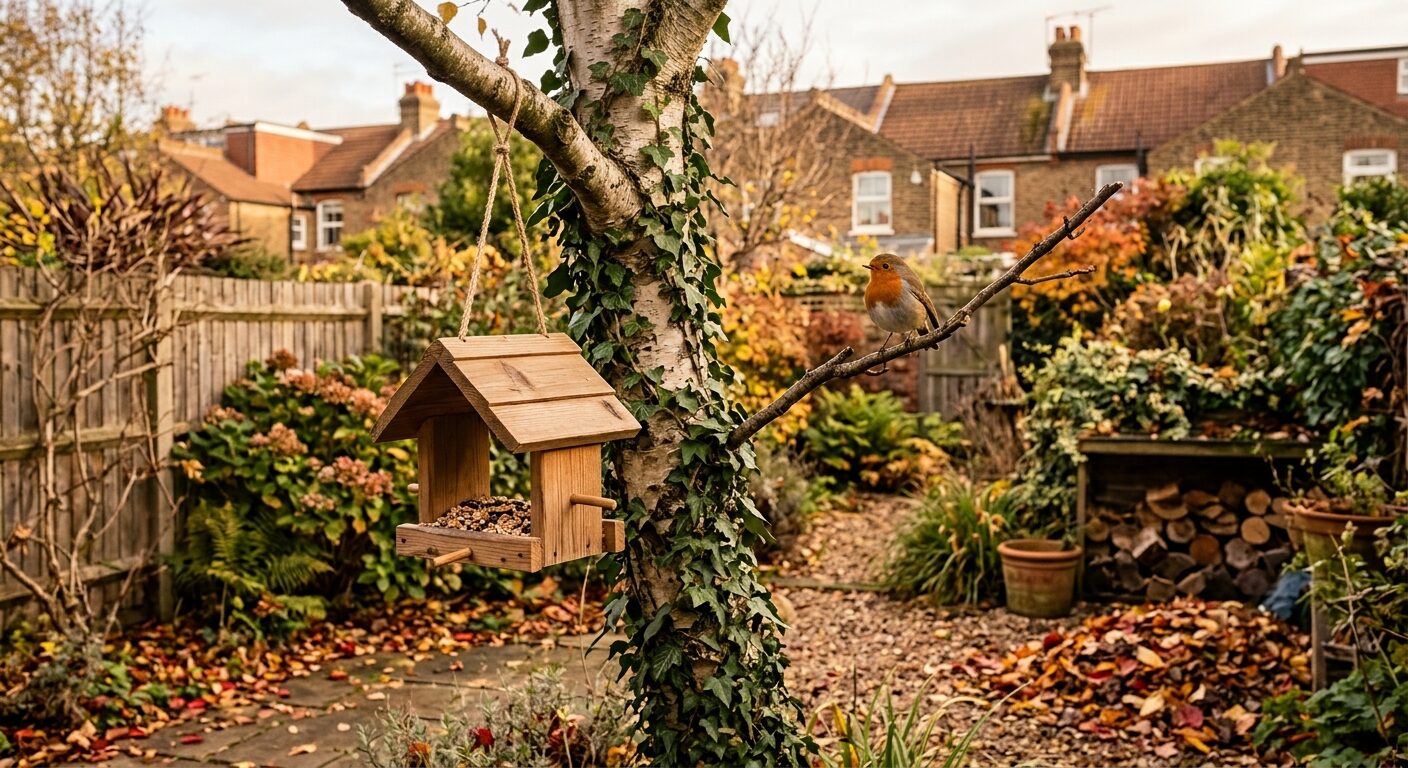
As autumn leaves settle across gardens in Norbury SW16 and frosts begin to arrive, local gardens, allotments, and green corridors become vital refuges for urban wildlife. With natural food sources dwindling and hibernation underway, simple, low-cost adjustments in back gardens can make a significant difference for hedgehogs, garden birds, and beneficial insects throughout the winter months.
Whether you have a spacious lawn near Norbury Park or a compact patio off London Road, wildlife conservation groups—including the London Wildlife Trust—encourage South London residents to adopt a few practical habits that turn suburban spaces into safe winter habitats.
Helping Hedgehogs Survive Hibernation
Hedgehogs typically hibernate between late October and March or April, though they may occasionally wake during mild spells to forage. Because UK hedgehog populations have declined in urban areas, connected suburban gardens are essential for their survival:
- Create a Hedgehog Highway: Hedgehogs roam up to a mile each night in search of food and mates. Cutting a small 13cm by 13cm gap at the base of wooden garden fences—with your neighbour’s agreement—allows hedgehogs to move safely between gardens without venturing onto busy roads.
- Leave a Quiet Leaf or Log Pile: Resist the urge to tidy every corner of the garden. A pile of dry autumn leaves and logs tucked behind a shed or under a hedge provides an ideal, insulated nesting site (hibernaculum).
- Offer Safe Food and Water: If you spot a hedgehog still active in late autumn, leave out a shallow dish of fresh water and meat-based wet cat or dog food, or specialist hedgehog biscuits. Never offer milk or bread, as hedgehogs are lactose intolerant and bread offers no nutritional value.
- Check Before Tidying: Always check compost heaps, long grass, and leaf piles carefully before strimming, turning soil, or lighting bonfires, as sleeping hedgehogs are easily overlooked.
Feeding and Sheltering Winter Birds
Short daylight hours mean garden birds—such as robins, blue tits, blackbirds, and finches—have less time to find the high-energy food they need to stay warm overnight:
- Provide High-Energy Foods: Stock hanging feeders with black oil sunflower seeds, suet balls or cakes, and nyjer seed. Ground-feeding birds such as robins and blackbirds also appreciate mealworms and chopped apples or pears placed on a clean bird table.
- Keep Feeders Clean: Wash bird feeders and tables regularly with warm, soapy water and rinse thoroughly to prevent the spread of avian diseases.
- Maintain Fresh Water: Birds need water for both drinking and bathing to keep their feathers in good insulating condition. Top up birdbaths daily and gently break any ice during freezing spells.
- Position Feeders Safely: Hang feeders near dense shrubs or evergreen hedges so birds have a quick, sheltered escape route from predators.
Chemical-Free Gardening
Avoiding slug pellets and garden pesticides protects hedgehogs, frogs, and birds from secondary poisoning while preserving the natural insects they rely on for food. Allowing a few seed heads and ornamental grasses to stand through winter also provides natural foraging opportunities and shelter for overwintering insects.
By working together across neighbouring streets, Norbury residents can help local wildlife thrive through the coldest months of the year.